
The Community Health Care Clinic [CHCC], a nonprofit in Normal, has been opening its doors to a growing number of uninsured patients as Medicaid cuts have taken hold over the past year.
Executive Director Holly Wayland-Hall said the clinic’s mission is charity-based, providing health services to people who are uninsured or have recently lost coverage through Medicaid. She said 99% of the clinic’s patients have no insurance.
“We refer any patient who becomes Medicaid eligible to Chestnut [Health Systems], typically for services,” she said. “But we do then get a lot of patients that are coming who have recently lost Medicaid for whatever reason.”
Chestnut Health Systems is where CHCC has referred patients who qualify for Medicaid. As more of those patients lose coverage, Wayland-Hall said the number of people seeking care at CHCC has quickly grown over the months.
“We’ve seen a significant increase in applications for the clinic. In fact, our patient population has grown over 80% in the last year and the demand continues to be that high,” she said, attributing part of that growth to the loss of Medicaid coverage.
The growth comes as CHCC marks 10 years at its current building at 900 Franklin Ave. in Normal, the site of a $1.7 million renovation the clinic completed in 2016. The clinic held a ribbon-cutting event Wednesday marking the anniversary.
Even with the growth, Wayland-Hall said the clinic has kept day-to-day operations under control.
“Our existing team has absorbed that 80% growth, so certainly it has changed how we function day to day,” she said. “We have not at this point added to the team, but we are looking toward that because we see the need continuing to grow as it has been.”
The clinic currently operates with 9.5 employees, supplemented by volunteers. Wayland-Hall, who marks two years as executive director next month, said funding is the main hurdle to hiring more staff.
“Obviously, it would be a funding issue in that we’ve got to be able to raise funds to grow that team,” she said, adding with patient numbers climbing, the clinic’s team is “maxed out.”
“Right now, someone applying to be a patient at the clinic may wait anywhere from, I would say a month to four months — again, because there’s such significant demand for our services,” said Wayland-Hall.
The clinic has increased the frequency of donor events to help keep its doors open.
“There is no guaranteed funding for us,” she said. “We’re not a Medicaid provider. There’s no insurance for us to bill because we’re treating an uninsured population.”
CHCC runs on an annual operating budget of just over $1 million, and Wayland-Hall said the clinic stretches that funding far beyond its size — she estimates every dollar donated returns about $7 worth of services to the Bloomington-Normal community.
Immigrant population
As McLean County saw an uptick in the presence of Immigration and Customs Enforcement [ICE] this summer, Wayland-Hall said she hasn’t noticed a difference in who comes in and out of the clinic.
“A heavy percent of our population are immigrants of varying statuses,” she said.
ICE has never entered the clinic, Wayland-Hall said, and there’s no way to measure how many immigrants it serves.
However, she said some CHCC-affiliated clinics closer to Chicago have had different experiences.
“I know that some of our brother and sister clinics in some of the other areas of Illinois, particularly in the Chicagoland area, have dealt with a significant decrease in immigrant patients coming to appointments because they’re afraid to attend those places because of the potential for ICE,” Wayland-Hall said. “We’ve not so much experienced that here in Bloomington-Normal.”
Wayland-Hall said the clinic still receives training in case ICE agents do show up, in line with the kind of preparation other local providers have discussed amid continued ICE activity in McLean County.
The clinic also works with the Immigration Project, a Normal-based agency that provides legal and other assistance to immigrant families across Central and southern Illinois.
“We have community health workers that work in our local community that are onsite at the clinic that at times are also working closely with Immigration Project. So there are times that they are bringing referred patients to us,” Wayland-Hall said.
As the uninsured population grows statewide and nationally, Wayland-Hall said clinics like CHCC are increasingly essential.
“This last year has just been tremendous growth and the need,” she said. “That just makes our services more necessary.”
A decade later
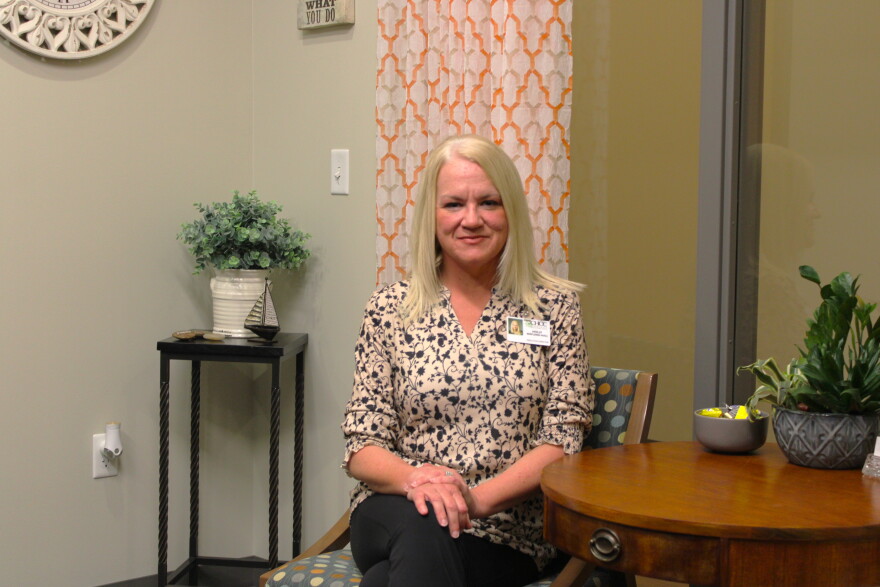
CHCC opened 32 years ago after local hospitals and medical professionals identified a rise in uninsured patients showing up in emergency rooms, said Wayland-Hall. The move into the current building a decade ago was funded in part by a Town of Normal grant.
CHCC leases the building from Carle Health that also employs the clinic’s clinical staff and leases them back to the nonprofit.
Since the move, the clinic has added services beyond its original volunteer-run primary care model, including dental care, a counseling partnership with the Center for Youth and Family Solutions, and an in-house dispensary.
Media Feeds All
via Local News https://ift.tt/MNWn2fQ
September 4, 2026 at 06:22PM

