
Ridge Knapp (A.B. ’20, M.P.P. ’21) is running for an open seat in the Illinois House of Representatives. If he wins, Knapp, who is 27, would become the youngest Democratic state representative in Chicago.
In addition to Knapp, four other candidates—former Deputy Attorney General Adam Braun, Illinois Commerce Commission policy adviser James O’Brien, community organizer Sunjay Kumar, and military veteran Demerike Palecek—are vying for the District 13 House seat currently filled by Hoan Huynh, who is running for U.S. House of Representatives and not seeking reelection to the Illinois State House.
Illinois’s primary elections will be held on March 17 and also include a race for a seat in the U.S. Senate, among others. Early voting continues through March 16.
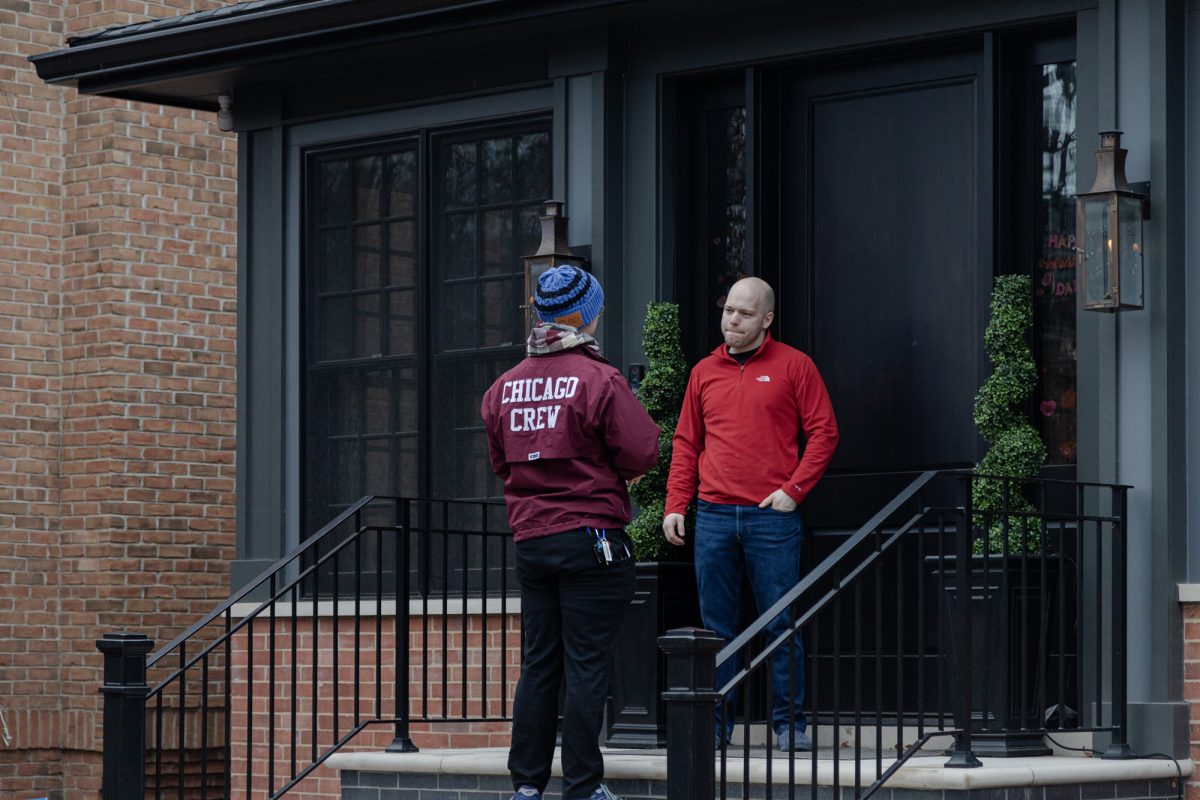
Six current members of UChicago College Democrats (UCDems), which has endorsed Knapp, traveled on February 21 to Ravenswood, a community on the North Side of Chicago, to canvass with him. The Maroon followed the canvassers for about an hour as they knocked on doors and distributed flyers.
While it was never his lifelong mission to run for political office, Knapp felt compelled to enter local politics after Donald Trump’s second presidential inauguration. In an interview with the Maroon, he described feeling uninspired by the other candidates running for the seat. “Out of all the people in my race—there are five of us—I think only two of us rent. I don’t think a lot of people [understand] sort of how hard it is to live in Chicago right now.”
At UChicago, Knapp was a member of the varsity rowing team and president of UCDems. He also served as the undergraduate liaison to the Board of Trustees, an elected Undergraduate Student Government cabinet position.
As they prepared to knock on doors on February 21, Knapp told the canvassers that Ravenswood’s residents are highly politically engaged and there had already been significant early voting. He reminded the canvassers to emphasize his “outsider status” and “data-driven policy” in their conversations.
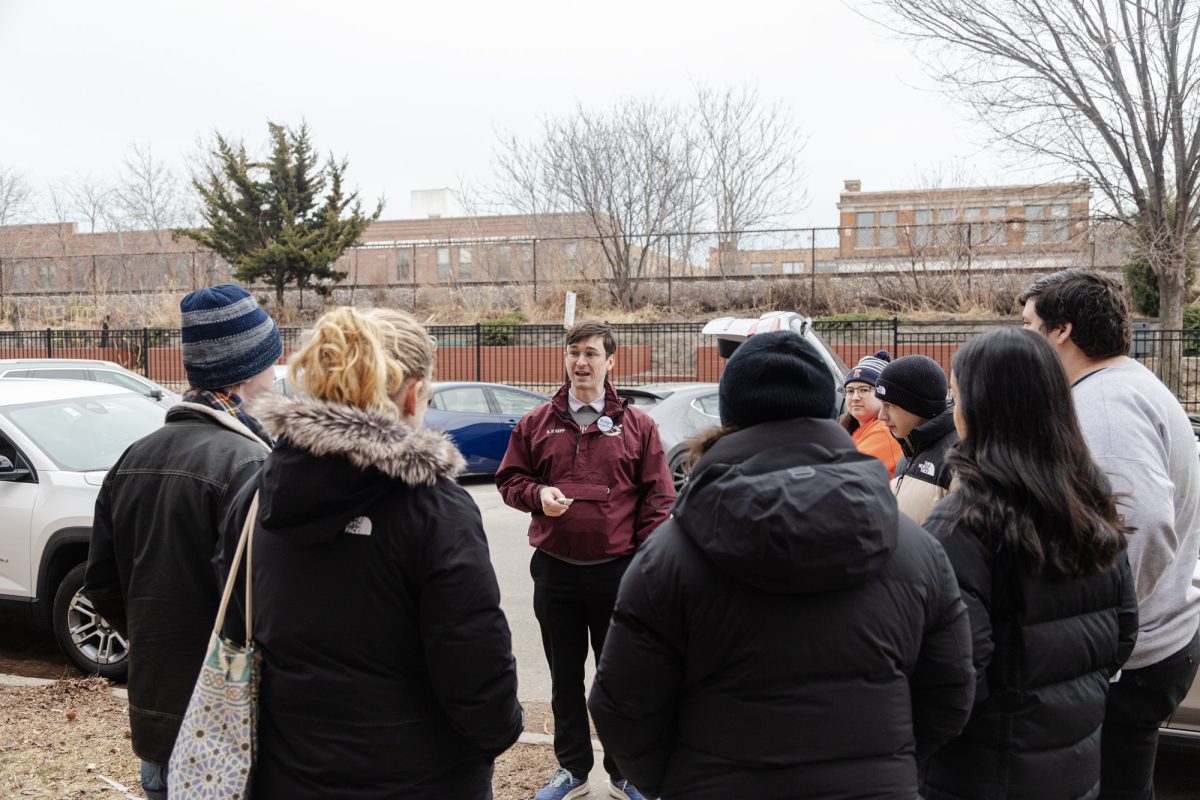
“[When] I met him at UCDems, I thought he was a pretty engaging speaker. I thought that I saw a lot of what I want for my future…. It’s not too much of my day to come out here and help him out,” said Kai Foster, a second-year and the UCDems social chair.
Knapp told the Maroon that as a data analyst for the Cook County State’s Attorney’s Office, he worked to maintain community safety while also investigating systemic injustice. “It was really fighting against a lot of that which sort of brought about Trumpism… systemic inequities, inequalities, and racism that very much pervade the criminal justice system,” he said.
He also highlighted his work on the data analytics team for Kamala Harris’s 2024 presidential campaign. “The data-driven public policy angle is really important,” Knapp said, adding that data “lets you cut through a lot of that political noise.” He contrasted his approach with that of “the lawyers and the lobbyists” he is running against.
Reflecting on the 2024 presidential election, Knapp said, “People talked and talked and talked and talked and talked, but no one really believed them, because for so many, Democrats didn’t deliver.” Republicans, he believes, were better at translating people’s concerns into political messaging than most Democrats.
Among Knapp’s key concerns is affordability, particularly rising energy bills and housing costs. “Anyone who wants to move to Chicago should be able to, but we need to make sure that we’re building more in neighborhoods and filling vacant properties and rezoning back up, potentially, some of these buildings that historically have been zoned as single-family homes,” he said.
Knapp pointed to rent hikes in Rogers Park as an example of the broader issue he hopes to address and suggested he would support reforming laws that restrict rent stabilization.
“He’s very genuine,” second-year Rowan Felton, the director of external affairs at UCDems, told the Maroon. Felton, one of the UCDems members who canvassed for Knapp, recalled a positive interaction she had speaking with an undecided resident. The resident, a University of Chicago Law School alum, “seemed to really like [Knapp’s] ideas and priorities and that he was bringing a new generation’s voice to the state legislature,” Felton said. “That was one of the best conversations we had, and it felt really rewarding. It made me really glad I came canvassing that day.”
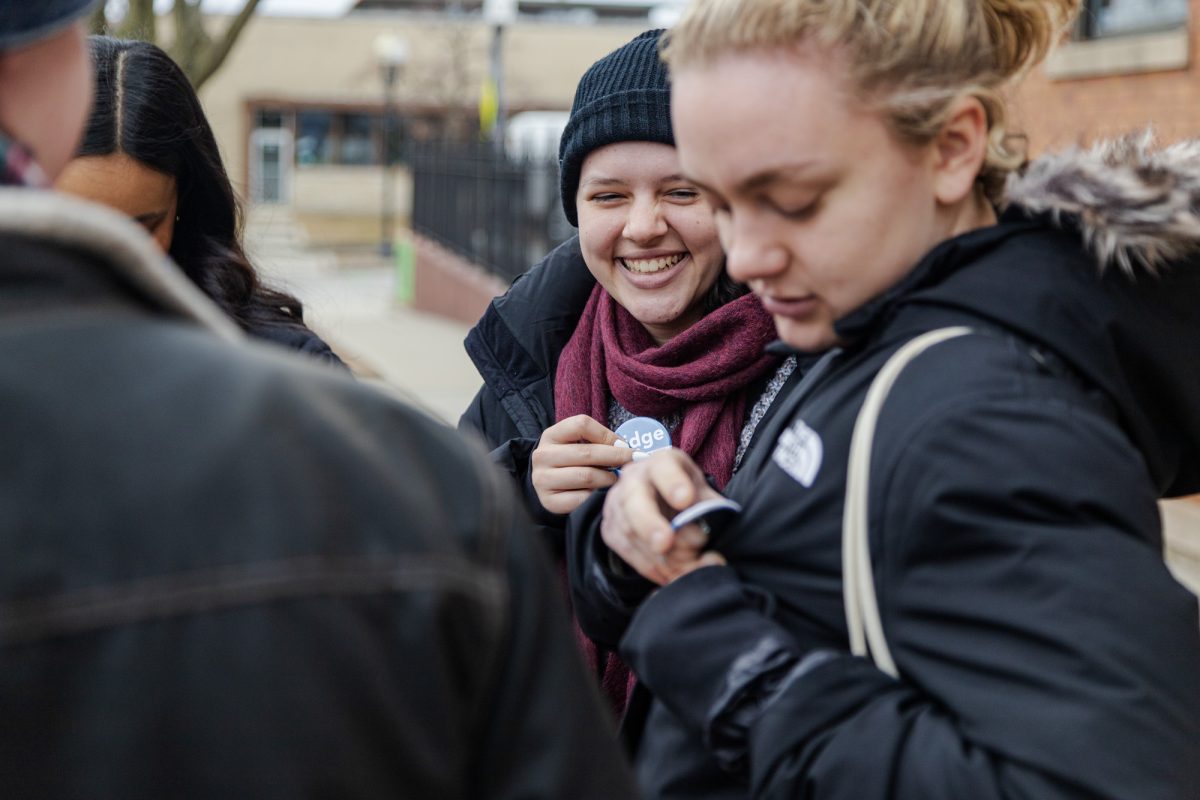
Another undecided resident that Knapp spoke with inquired about his perspective on data centers. Knapp shared his concern about rising utility rates caused by residents bidding against technology companies. While he’s not opposed to data centers, he has campaigned on pushing companies to increase energy production as a way to offset increasing energy costs.
After the conversation, the resident indicated his intention to vote for Knapp.
In addition to Knapp’s youth, second-year Arya Sharma, the co-communications director for UCDems, admires his transportation policy. “I think transportation is a really important issue here, and he has such a wide range of transportation policies that he’s passionate about, from increasing the sitting area and shade at CTA bus stops to redistributing funding from the highways to changing the way that vehicle registration is done so that it’s by weight to promote more environmentally friendly vehicles.”
Despite the state government’s limited input in federal immigration enforcement, Knapp acknowledged that the topic is among voters’ strongest concerns. He voiced his support for abolishing U.S. Immigration and Customs Enforcement and told the Chicago Sun-Times that “[w]ith breadwinners and adults abducted, Springfield must step up to proactively help those left behind.”
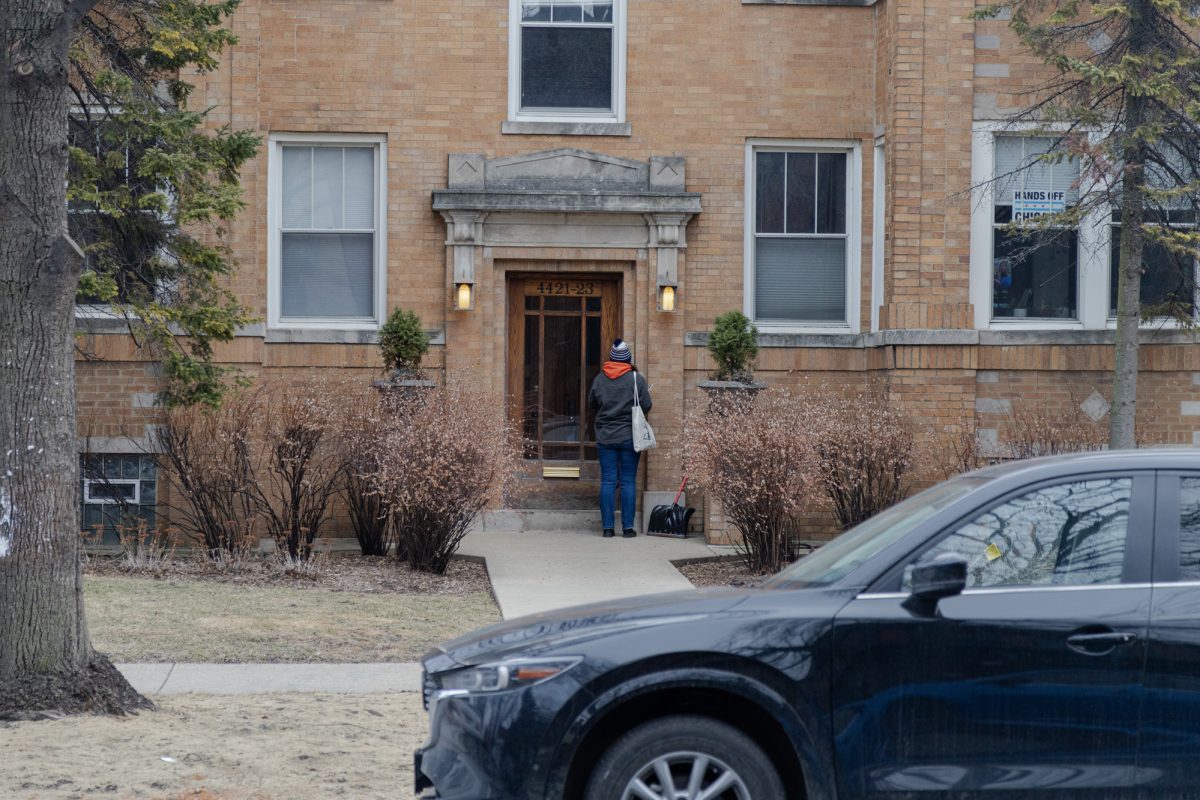
After canvassing, Felton estimated UCDems had knocked on about 200 doors. “I took away a sense of fulfillment,” she said. “I felt we had really made a difference because we talked to so many people who were undecided.”
College
via Chicago Maroon https://ift.tt/Q1V7hI6
March 4, 2026 at 07:49PM
 Illinois Delivered